
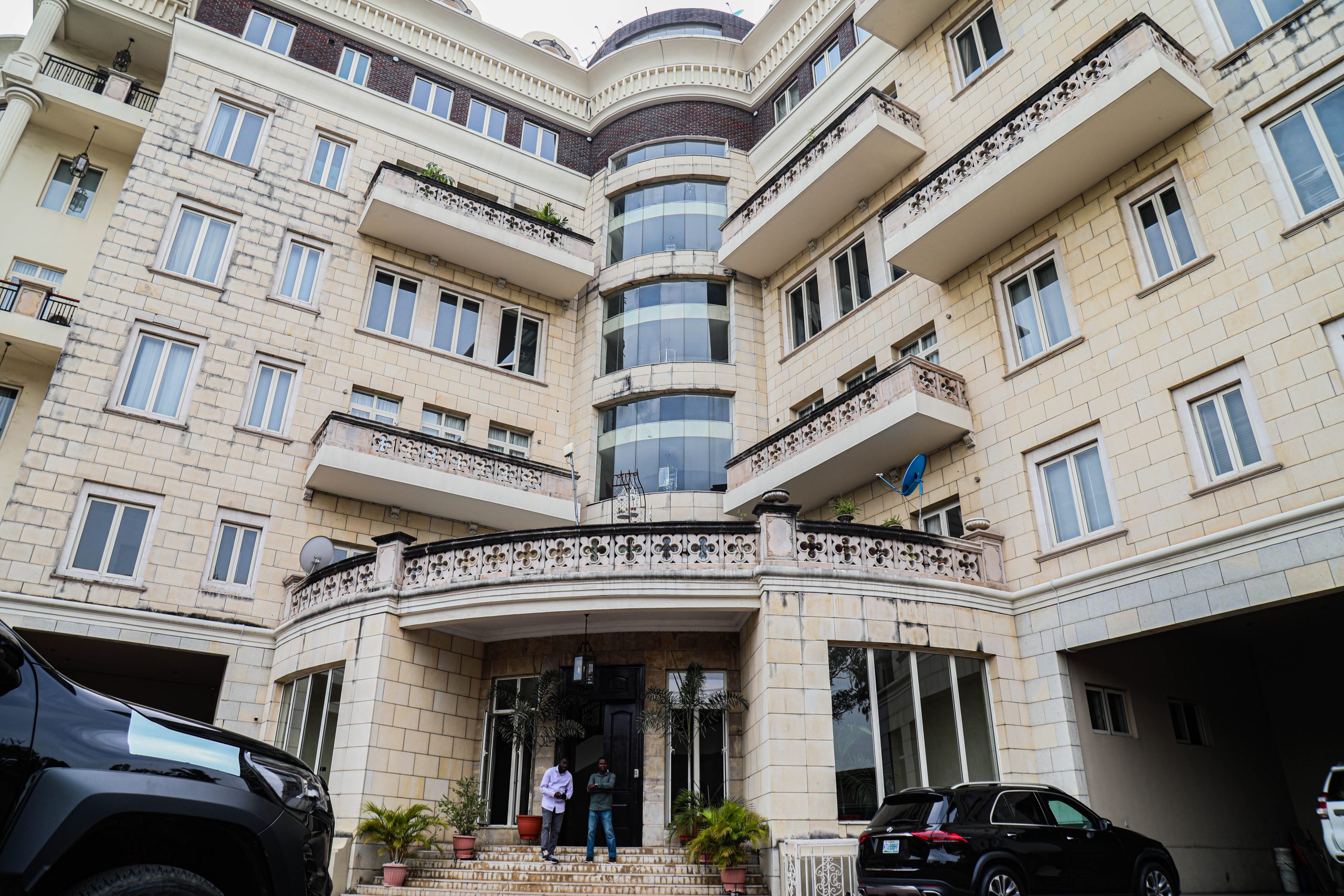

Building a cost-effective house requires strategic planning and smart choices that reduce costs without compromising quality or safety. Here are some essential tips and guidelines:
1. Set a Realistic Budget and Stick to It
- Define Your Budget: Determine a budget for the entire project, including materials, labor, permits, and unexpected expenses. This helps set realistic expectations and avoid cost overruns.
- Prioritize Needs Over Wants: Identify essential features and prioritize them over aesthetic or luxury options that can be added later.
2. Choose a Simple Design
- Opt for a Simple Floor Plan: The simpler the layout, the more cost-effective the build. Avoid complex designs like intricate rooflines, rounded walls, or unnecessary hallways, as they add labor and materials costs.
- Build Vertically: Instead of spreading out, consider a two-story design to reduce the cost of the foundation and roof, which are often the most expensive elements in home building.
3. Use Affordable and Durable Materials
- Choose Locally Sourced Materials: These are usually less expensive than imported options and can reduce transportation costs.
- Explore Cost-Effective Alternatives: Consider materials like concrete, fiber cement, or reclaimed wood, which offer durability without high costs.
- Consider Prefabricated Components: Precast walls, roofing trusses, or modular construction can speed up the build process and reduce labor costs.
4. Plan for Energy Efficiency
- Invest in Insulation: A well-insulated home reduces heating and cooling costs, saving money in the long run. Consider energy-efficient windows and doors.
- Choose Solar or Energy-Efficient Systems: Incorporating solar panels or energy-efficient HVAC systems may have a higher initial cost but will lower utility bills and reduce overall operating costs.
- Orient the House for Sunlight: Position the house to maximize natural light, reducing the need for artificial lighting and heating during the day.
5. Hire Experienced, Reputable Contractors
- Get Multiple Bids: Collect quotes from several contractors to find a balance between quality and cost.
- Check for Experience and Reviews: Working with experienced builders can prevent costly mistakes and delays. Look for those who have a reputation for completing projects on budget.
6. Save on Finishes and Fixtures
- Buy in Bulk: Purchasing materials in bulk can reduce costs. Opt for bulk purchasing for items like tiles, paint, or fixtures.
- Start with Basic Finishes: You can always upgrade finishes later, especially for areas that are easy to access, like walls or countertops.
- Look for Discounts and Sales: Shop around for discounted or gently used fixtures, lighting, and other essentials that can add style without the high price tag.
7. Minimize Custom Features
- Custom-built elements, like cabinetry or unique windows, can drive up costs. Instead, go for standard sizes and off-the-shelf options that offer durability and functionality at a lower price.
8. Consider DIY for Small Projects
- If you have experience or are willing to learn, taking on minor projects like painting or landscaping can help reduce labor costs.
Final Thought
Building a cost-effective house doesn’t mean cutting corners on quality. With careful planning, smart design choices, and a focus on essential features, you can build a durable and affordable home that meets your needs and stays within budget.
Leave a Reply